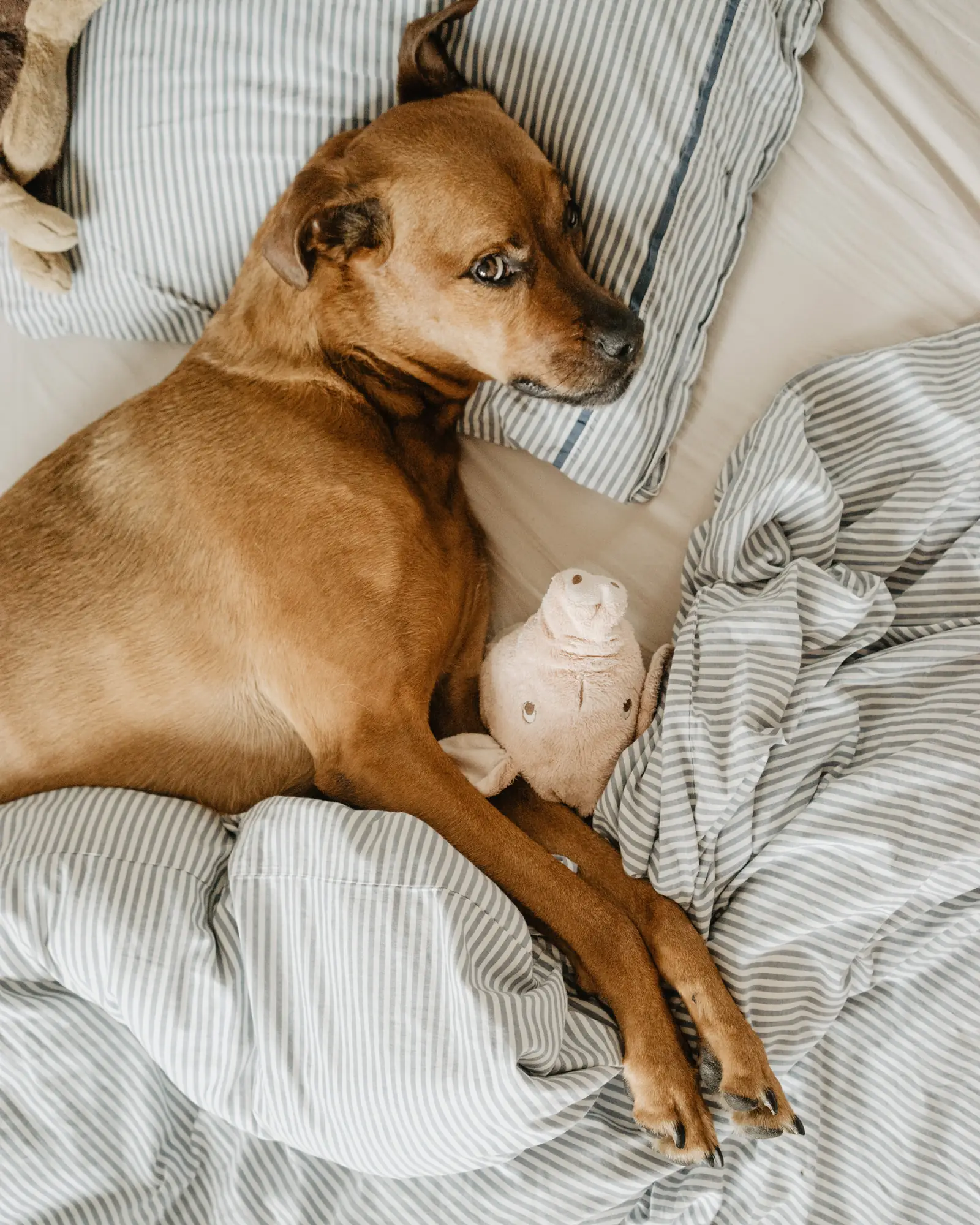
Work and rest with your pet
Pets are excellent teachers of rest. A dog stretches in a patch of sunlight, a cat finds the warmest cushion and both seem to know exactly when to slow down. For people who work long hours, especially from home, that example is useful. Animals depend on routine, and routines are also good for us.
The challenge is that work can easily swallow the day. A deadline arrives, the walk is skipped and the dinner bowl is refilled late. Over time, both you and your pet feel the strain. A few deliberate habits can restore balance without making your schedule harder to manage.
Build a shared daily rhythm
Start by writing down the times your pet needs most: breakfast, walks, play, and the evening rest. Then place your work around those anchors rather than the other way round. You do not need a perfect timetable, but a predictable pattern helps animals relax and helps you stop checking the clock.
- Walk or play at the same time each morning, before the first meeting.
- Take short breaks to refill water, stretch and check in with your pet.
- Keep a fixed time for feeding, even if it is a few minutes earlier or later.
- End the workday with a quiet activity, such as a brushing session or a gentle walk.
Short breaks matter more than long ones. A five-minute stroll around the garden or a game of fetch in the hallway can reset your focus and give your animal the attention it wants.
Make rest visible
Pets sleep for long periods, and their rest can teach you something about your own. Create a calm corner for both of you. A soft bed near a window, a clear table and a sofa with a blanket can help you switch off after work. When your pet settles, use the moment to read, stretch or simply breathe.
A quiet room is easier to leave at the end of the day when it is shared with someone who is already relaxed.
Avoid bringing your laptop into the rest area. If work must continue, keep it in a separate place, so your mind has a clear signal that the day has ended.
Notice the signs
Both you and your pet can show when the balance is off. Restlessness, extra barking or nibbling, and a dislike of being left alone can point to too little activity. For yourself, tight shoulders, short tempers and poor sleep are useful warnings. If the signs persist, speak with your vet or a trusted professional.

Related posts

Experience the life of a coastal town
Coastal towns move at their own pace. Learn how to slow down, shop like a local and build a routine that makes a seaside stay feel...

Layers for a cool spring
Spring weather can change within a single afternoon. A simple layering system keeps you comfortable from breakfast to late night without a heavy coat.