<?xml version="1.0" encoding="utf-8"?><feed xmlns="http://www.w3.org/2005/Atom" xml:lang="en"><generator uri="https://jekyllrb.com/" version="3.10.0">Jekyll</generator><link href="https://capella-jekyll.tortoizthemes.com/feed.xml" rel="self" type="application/atom+xml" /><link href="https://capella-jekyll.tortoizthemes.com/" rel="alternate" type="text/html" hreflang="en" /><updated>2026-11-23T07:00:42+00:00</updated><id>https://capella-jekyll.tortoizthemes.com/feed.xml</id><title type="html">Capella</title><subtitle>A journal of travel, photography and design. Read, write and discuss.</subtitle><author><name>Capella</name></author><entry><title type="html">Summer activities with a happy feel</title><link href="https://capella-jekyll.tortoizthemes.com/summer-activities-with-a-happy-feel/" rel="alternate" type="text/html" title="Summer activities with a happy feel" /><published>2026-07-26T09:00:00+00:00</published><updated>2026-07-26T09:00:00+00:00</updated><id>https://capella-jekyll.tortoizthemes.com/summer-activities-with-a-happy-feel</id><content type="html" xml:base="https://capella-jekyll.tortoizthemes.com/summer-activities-with-a-happy-feel/"><![CDATA[<p>Summer has a way of making every plan feel possible. The calendar looks wide open, the days are long, and it is tempting to fill every hour with something new. Most people return from a warm-weather trip more tired than when they left, though, because they tried to do too much.</p>

<p>The happiest summer days tend to have a simple shape. They include one or two things you look forward to, some time with nothing scheduled, and a few small pleasures that cost very little. Here is how to build that kind of summer without losing the sense of adventure.</p>

<h2 id="start-with-the-early-hours">Start with the early hours</h2>

<p>Mornings are the best part of a warm day. The air is cooler, the streets are quiet, and most places are still getting ready for the day. A short walk before breakfast can change how the whole day feels.</p>

<ul>
  <li>Walk to the nearest bakery or market before the crowds arrive.</li>
  <li>Swim in the early hours, when the water is calm and the sun is gentle.</li>
  <li>Sit outside with a cup of coffee and watch the town wake up.</li>
  <li>Plan the hardest activities for the morning, and keep afternoons loose.</li>
</ul>

<p>Afternoons are often hot, so treat them as a rest period. A nap, a cool shower or a few chapters of a book in a shaded spot are all good uses of that time. You will have more energy for the evening, which is often when the best meals and conversations happen.</p>

<h2 id="choose-one-anchor-for-each-day">Choose one anchor for each day</h2>

<p>It helps to pick one anchor activity for each day, something that gives the day its shape. It might be a boat trip, a cooking class, a hike to a viewpoint or a long lunch by the water. Everything else can stay flexible.</p>

<blockquote>
  <p>A good day rarely needs more than one plan that you truly look forward to.</p>
</blockquote>

<p>Anchors work because they give you something to build around, but they should not dominate the whole schedule. If an anchor takes four hours, leave the rest of the day open. You can always add a small detour along the way, and those detours often become the stories you remember.</p>

<h2 id="leave-room-for-the-unplanned">Leave room for the unplanned</h2>

<p>The most joyful moments on a summer trip are usually unplanned. A stranger recommends a quiet cove. A café has live music on a Tuesday. A rain shower sends you into a bookshop you would have walked past otherwise. Leaving space for these moments is one of the best habits you can build.</p>

<p>Packing also affects how free you feel. A lighter bag makes it easier to change plans, catch a last-minute ferry or walk a little farther. If you are weighing what to bring, this <a href="/packing-light/">guide to packing light</a> has a practical approach that works for summer too.</p>

<p>Finally, keep a small list of things that make you happy, and check it on the days when you feel stretched. Swimming, sunsets, cold drinks and an unhurried lunch are enough. A happy summer is less about how much you see and more about how well you notice what is around you.</p>]]></content><author><name>Capella</name></author><category term="Travel" /><category term="summer" /><category term="beach" /><category term="slow-travel" /><summary type="html"><![CDATA[Summer plans do not need to be busy to feel full. Here is how to choose a few activities that leave room for sunshine, good food and a little daydreaming.]]></summary><media:thumbnail xmlns:media="http://search.yahoo.com/mrss/" url="https://capella-jekyll.tortoizthemes.com/assets/img/demo/summer-activities-with-a-happy-feel.webp" /><media:content medium="image" url="https://capella-jekyll.tortoizthemes.com/assets/img/demo/summer-activities-with-a-happy-feel.webp" xmlns:media="http://search.yahoo.com/mrss/" /></entry><entry><title type="html">Colour stories: what a palette says</title><link href="https://capella-jekyll.tortoizthemes.com/colour-stories/" rel="alternate" type="text/html" title="Colour stories: what a palette says" /><published>2026-07-21T09:00:00+00:00</published><updated>2026-07-21T09:00:00+00:00</updated><id>https://capella-jekyll.tortoizthemes.com/colour-stories</id><content type="html" xml:base="https://capella-jekyll.tortoizthemes.com/colour-stories/"><![CDATA[<p>Color is the fastest way a room tells you how it feels. Before you notice the furniture or the lamps, your eye has already decided whether a space is calm, lively, formal or warm. That first reaction is worth paying attention to, because it comes from a set of choices you can learn to make on purpose.</p>

<p>A palette is not a list of favorite shades. It is a small group of colors that work together, with clear roles. Once you understand those roles, choosing paint, fabric and objects becomes much easier.</p>

<h2 id="warm-and-cool">Warm and cool</h2>

<p>Most colors lean either warm or cool. Warm tones, such as cream, terracotta, honey and soft red, tend to feel welcoming and close. Cool tones, such as grey-blue, sage and clear white, feel open and quiet. Neither is better. The question is which mood suits the room and the people who use it.</p>

<p>Light changes everything. A paint chip that looks soft in a showroom can turn cold under north-facing windows or yellow under evening lamps. Always test a sample on the wall, and look at it in the morning and at night before you commit.</p>

<h2 id="the-60-30-10-approach">The 60, 30, 10 approach</h2>

<p>A classic rule for color balance is to use a dominant shade for about 60 percent of a room, a secondary shade for about 30 percent, and an accent for the final 10. The dominant color usually covers the walls and large textiles. The secondary color appears in furniture, curtains or a rug. The accent is the bright cushion, the vase or the artwork that gives the eye somewhere to land.</p>

<ul>
  <li>Pick the dominant color first, usually a soft neutral.</li>
  <li>Choose a secondary color that sits nearby on the color wheel.</li>
  <li>Add an accent that repeats once or twice around the room.</li>
  <li>Check that metals, woods and fabrics agree with the warm or cool direction you chose.</li>
</ul>

<blockquote>
  <p>A palette is a promise you make to the room, and it is kept by repetition.</p>
</blockquote>

<p>Repetition is what makes a palette feel intentional. If your accent appears only once, it can look like an accident. If it shows up in a cushion, a book spine and a small plant pot, the room starts to feel designed, even if it was put together slowly.</p>

<h2 id="let-the-palette-grow-slowly">Let the palette grow slowly</h2>

<p>You do not need to decide everything at once. Start with the largest surfaces, then add layers over time. Many rooms look best when they evolve, with a few new pieces each season and a steady, repeated set of colors underneath. Keep a small swatch board on your phone or on a notebook page, and add to it when you see a color that makes you pause.</p>

<p>That practice builds judgment. After a few months, you will know which colors you keep reaching for and which ones you tolerate. That knowledge is more useful than any trend report, and it will make every future room easier to plan.</p>]]></content><author><name>Capella</name></author><category term="Design" /><category term="palette" /><category term="color" /><category term="home" /><summary type="html"><![CDATA[Every palette tells a story. Learn how to read warm and cool tones, balance color with a simple rule and build a scheme that feels calm and intentional.]]></summary><media:thumbnail xmlns:media="http://search.yahoo.com/mrss/" url="https://capella-jekyll.tortoizthemes.com/assets/img/demo/colour-stories.webp" /><media:content medium="image" url="https://capella-jekyll.tortoizthemes.com/assets/img/demo/colour-stories.webp" xmlns:media="http://search.yahoo.com/mrss/" /></entry><entry><title type="html">The windows know to say beside you</title><link href="https://capella-jekyll.tortoizthemes.com/the-windows-know/" rel="alternate" type="text/html" title="The windows know to say beside you" /><published>2026-07-14T09:00:00+00:00</published><updated>2026-07-14T09:00:00+00:00</updated><id>https://capella-jekyll.tortoizthemes.com/the-windows-know</id><content type="html" xml:base="https://capella-jekyll.tortoizthemes.com/the-windows-know/"><![CDATA[<p>Most rooms are arranged around the television, the bed or the largest wall, but the windows quietly decide how a space feels. They control daylight, temperature, noise and the views that greet you each morning. Before you move a single chair, it is worth spending a day noticing how light enters the room.</p>

<p>Light is not fixed. A north-facing window gives soft, even light that rarely changes. A south-facing window floods the room in the middle of the day and can make it feel hot. East windows bring morning sun, and west windows bring a warm glow in the evening. Each direction suggests different uses for different parts of the house.</p>

<h2 id="read-the-light-first">Read the light first</h2>

<p>Spend an afternoon walking through your home every two hours. Notice where the light falls on the floor, which corners stay dim and where glare makes screens hard to read. This simple record is more useful than any layout plan, because it shows how you actually live in the space.</p>

<ul>
  <li>Place reading chairs where the light falls from the side, not directly behind you.</li>
  <li>Keep bright, sunny corners for plants or a workspace that needs energy.</li>
  <li>Use a sheer curtain to soften harsh midday sun without blocking the view.</li>
  <li>Add a lamp near any window that is dim on overcast days.</li>
</ul>

<p>Once you know the light, you can make small changes that have a big effect. Moving a mirror across from a window can bounce daylight deeper into a room. A pale rug can brighten a floor that absorbs light. Even repainting a window frame a shade lighter can make the glass seem larger.</p>

<h2 id="frame-the-view">Frame the view</h2>

<p>A window is a picture frame, and the view is the artwork. Many people place furniture with its back to the glass, which blocks the view and puts the best seat in shadow. Turn the arrangement around, so people can sit facing the window and see the street, the garden or the sky.</p>

<blockquote>
  <p>A room feels generous when it gives you something to look at beyond its walls.</p>
</blockquote>

<p>If the view is not special, you can still frame it. Plants on the sill, a simple linen blind and a low bench are enough to make the window feel deliberate. Keep the sill clear of clutter so the light and the view remain the focus.</p>

<h2 id="use-the-window-as-a-daily-clock">Use the window as a daily clock</h2>

<p>Windows also tell the time. Watching the shadows move across a floor is a gentle way to notice the day passing. If you work from home, place your desk so you can see the light change without turning your back on the room. Small habits like these make a home feel calmer and more connected to the world outside.</p>]]></content><author><name>Capella</name></author><category term="Design" /><category term="light" /><category term="interiors" /><category term="home" /><summary type="html"><![CDATA[Windows shape a room more than most people realize. Learn how to read daylight, frame a view and place furniture so the space feels bright all day.]]></summary><media:thumbnail xmlns:media="http://search.yahoo.com/mrss/" url="https://capella-jekyll.tortoizthemes.com/assets/img/demo/the-windows-know.webp" /><media:content medium="image" url="https://capella-jekyll.tortoizthemes.com/assets/img/demo/the-windows-know.webp" xmlns:media="http://search.yahoo.com/mrss/" /></entry><entry><title type="html">Experience the life of a coastal town</title><link href="https://capella-jekyll.tortoizthemes.com/life-on-the-coast/" rel="alternate" type="text/html" title="Experience the life of a coastal town" /><published>2026-07-08T09:00:00+00:00</published><updated>2026-07-08T09:00:00+00:00</updated><id>https://capella-jekyll.tortoizthemes.com/life-on-the-coast</id><content type="html" xml:base="https://capella-jekyll.tortoizthemes.com/life-on-the-coast/"><![CDATA[<p>Coastal towns have a rhythm that is hard to describe until you have lived in one for a few days. The tide sets the timing of the day, the boats come and go with the light, and conversations often happen on benches facing the water. Visitors often arrive with a long list of sights, then find that the town asks for something else: a slower pace and a little attention.</p>

<p>You do not need to move somewhere permanently to enjoy that rhythm. A week or two spent with a simple routine can give you a taste of what coastal life feels like, and it can change the way you think about your own home.</p>

<h2 id="shop-and-eat-like-a-local">Shop and eat like a local</h2>

<p>Markets are the heart of most seaside towns. The fish stalls, fruit sellers and small bakeries tell you what is in season and who the regular customers are. Go early, ask simple questions and let the seller choose something for you. That small exchange often leads to better meals than any restaurant guide.</p>

<ul>
  <li>Visit the market at opening time, when the produce is freshest.</li>
  <li>Buy one local ingredient and cook it simply at home.</li>
  <li>Eat lunch at a counter where the locals queue, not at a table facing the promenade.</li>
  <li>Carry a reusable bag and a little cash for small vendors.</li>
</ul>

<p>Cooking at least one meal in a rented kitchen is a good way to slow down. Chopping vegetables, setting a table near an open window and eating outside in the evening gives a sense of daily life that a restaurant cannot offer alone.</p>

<h2 id="build-a-gentle-daily-routine">Build a gentle daily routine</h2>

<p>Coastal towns reward routine. A morning walk along the seafront, a swim or a rest in the shade, and an evening stroll when the air cools all give the day a natural structure. You do not need to follow the same schedule every day, but a few fixed points help the week feel rooted.</p>

<blockquote>
  <p>The best seaside days are built from small habits that repeat without becoming a chore.</p>
</blockquote>

<p>Try to leave one afternoon with no plan at all. Walk until you find a bench, read for an hour or watch the boats come in. These pauses are where the town starts to feel familiar, and where you notice the details that tourists rush past.</p>

<h2 id="take-the-calm-home">Take the calm home</h2>

<p>When you return, keep one or two of these habits. Buy fruit from a local stall, take a short walk before breakfast or open the windows for the first hour of the day. A coastal stay is a useful reminder that a good life is often made from simple, repeated pleasures.</p>]]></content><author><name>Capella</name></author><category term="Lifestyle" /><category term="slow-living" /><category term="coast" /><category term="routine" /><summary type="html"><![CDATA[Coastal towns move at their own pace. Learn how to slow down, shop like a local and build a routine that makes a seaside stay feel like home.]]></summary><media:thumbnail xmlns:media="http://search.yahoo.com/mrss/" url="https://capella-jekyll.tortoizthemes.com/assets/img/demo/life-on-the-coast.webp" /><media:content medium="image" url="https://capella-jekyll.tortoizthemes.com/assets/img/demo/life-on-the-coast.webp" xmlns:media="http://search.yahoo.com/mrss/" /></entry><entry><title type="html">Pastel colours: the trend of the year</title><link href="https://capella-jekyll.tortoizthemes.com/pastel-colours/" rel="alternate" type="text/html" title="Pastel colours: the trend of the year" /><published>2026-07-02T09:00:00+00:00</published><updated>2026-07-02T09:00:00+00:00</updated><id>https://capella-jekyll.tortoizthemes.com/pastel-colours</id><content type="html" xml:base="https://capella-jekyll.tortoizthemes.com/pastel-colours/"><![CDATA[<p>Every few years, a soft shade returns to the top of design conversations, and this year pastel colors have taken the lead. Mint, blush, butter yellow and powder blue appear in fabric shops, paint collections and product photos. Pastels feel gentle and optimistic, which is part of their appeal, but they can also feel fragile if they are used without care.</p>

<p>The secret is to treat pastels as neutrals with a little character. They work best when they sit in the background, supported by natural materials and a clear sense of contrast. Used this way, they bring warmth without shouting.</p>

<h2 id="pair-pastels-with-natural-materials">Pair pastels with natural materials</h2>

<p>Pastels look most relaxed beside wood, linen, stone and clay. A blush wall next to an oak table feels grounded, while the same wall beside plastic furniture can look like a laboratory. Choose materials with visible texture and let the grain or weave show.</p>

<ul>
  <li>Pair pale green with warm wood and off-white linen.</li>
  <li>Use butter yellow on a small surface, such as a cabinet or a door.</li>
  <li>Try powder blue with chalky white and a touch of brass.</li>
  <li>Keep one darker tone, like charcoal or deep brown, to anchor the room.</li>
</ul>

<p>A small dark accent is important. Without it, pastels can blur into one soft mass and lose their shape. A black frame, a brown leather strap or a deep green plant gives the eye a place to rest.</p>

<h2 id="test-before-you-commit">Test before you commit</h2>

<p>Pastels change dramatically with light. A color that looks fresh in the morning can turn dull in the late afternoon, and a warm room can make blue appear grey. Paint a large sample board and move it around the room for several days. Look at it with the curtains open and closed, and under the lamps you use in the evening.</p>

<blockquote>
  <p>A pastel that looks right at noon may need a second look at dusk.</p>
</blockquote>

<p>It is also wise to start small. Paint a single wall, a cupboard or the inside of a bookshelf before you commit to a whole room. If you love the result, you can extend it with confidence. If not, you have lost very little.</p>

<h2 id="keep-the-mood-flexible">Keep the mood flexible</h2>

<p>Pastel trends often arrive quickly and fade within a few seasons, so choose the parts that are easy to change. Paint, cushions and throws are simple to swap, while flooring and built-in furniture are harder. A soft palette feels fresh when it is layered gently, and it can grow with you over time.</p>]]></content><author><name>Capella</name></author><category term="Design" /><category term="color" /><category term="trends" /><category term="home" /><summary type="html"><![CDATA[Pastel shades are back, but they work best as calm neutrals rather than loud statements. Here is how to use soft color with confidence in any room.]]></summary><media:thumbnail xmlns:media="http://search.yahoo.com/mrss/" url="https://capella-jekyll.tortoizthemes.com/assets/img/demo/pastel-colours.webp" /><media:content medium="image" url="https://capella-jekyll.tortoizthemes.com/assets/img/demo/pastel-colours.webp" xmlns:media="http://search.yahoo.com/mrss/" /></entry><entry><title type="html">Layers for a cool spring</title><link href="https://capella-jekyll.tortoizthemes.com/layers-for-a-cool-spring/" rel="alternate" type="text/html" title="Layers for a cool spring" /><published>2026-06-24T09:00:00+00:00</published><updated>2026-06-24T09:00:00+00:00</updated><id>https://capella-jekyll.tortoizthemes.com/layers-for-a-cool-spring</id><content type="html" xml:base="https://capella-jekyll.tortoizthemes.com/layers-for-a-cool-spring/"><![CDATA[<p>Cool spring days are tricky to dress for. The morning may start with a chill, the afternoon can turn mild and bright, and the evening often brings a breeze that cuts through a thin shirt. A coat is too warm for half the day, and a single light jacket rarely covers every hour. Layering solves the problem, because you can add or remove pieces as the day changes.</p>

<p>The aim is a wardrobe that works in flexible combinations. A few well-chosen layers can produce many outfits, and each one should feel comfortable enough to wear all day.</p>

<h2 id="build-three-simple-layers">Build three simple layers</h2>

<p>Think of your outfit as three parts: a base, a middle and an outer layer. The base sits against the skin and should be soft and breathable. The middle layer adds warmth and can be removed as the day warms up. The outer layer protects you from wind and light rain.</p>

<ul>
  <li>Base: a fitted t-shirt or long-sleeved top in cotton or merino.</li>
  <li>Middle: a knit sweater, a cardigan or a lightweight fleece.</li>
  <li>Outer: a denim jacket, a trench or a soft windbreaker.</li>
  <li>Extras: a scarf, a hat or a pair of gloves you can pack in a pocket.</li>
</ul>

<p>Choose colors that work together. Neutrals such as navy, grey, cream and brown let you mix pieces freely. One accent color, like a rust scarf or a green sweater, adds interest without making every outfit a project.</p>

<h2 id="think-about-fabric-and-fit">Think about fabric and fit</h2>

<p>Fabric matters as much as the number of layers. Wool and merino hold heat even when slightly damp, while cotton feels crisp and light. Linen is cool but wrinkles easily, so it works best for warm afternoons. Avoid bulky pieces under a jacket, because they restrict movement and make the outfit feel heavy.</p>

<blockquote>
  <p>Layers feel effortless when each one is comfortable enough to stand on its own.</p>
</blockquote>

<p>Fit is equally important. A sweater should sit comfortably over a shirt, and a jacket should close without strain. When the layers fit well, you can move easily, carry a bag and sit on a park bench without adjusting everything.</p>

<h2 id="make-the-change-easy">Make the change easy</h2>

<p>Keep a bag or a large pocket ready for the piece you remove. A small tote with a scarf, a pair of sunglasses and a light layer makes the transition from morning to afternoon simple. You will feel more relaxed knowing you can handle any change in the weather.</p>]]></content><author><name>Capella</name></author><category term="Lifestyle" /><category term="style" /><category term="spring" /><category term="wardrobe" /><summary type="html"><![CDATA[Spring weather can change within a single afternoon. A simple layering system keeps you comfortable from breakfast to late night without a heavy coat.]]></summary><media:thumbnail xmlns:media="http://search.yahoo.com/mrss/" url="https://capella-jekyll.tortoizthemes.com/assets/img/demo/layers-for-a-cool-spring.webp" /><media:content medium="image" url="https://capella-jekyll.tortoizthemes.com/assets/img/demo/layers-for-a-cool-spring.webp" xmlns:media="http://search.yahoo.com/mrss/" /></entry><entry><title type="html">A great week in Phuket</title><link href="https://capella-jekyll.tortoizthemes.com/a-week-in-phuket/" rel="alternate" type="text/html" title="A great week in Phuket" /><published>2026-06-17T09:00:00+00:00</published><updated>2026-06-17T09:00:00+00:00</updated><id>https://capella-jekyll.tortoizthemes.com/a-week-in-phuket</id><content type="html" xml:base="https://capella-jekyll.tortoizthemes.com/a-week-in-phuket/"><![CDATA[<p>A week in a tropical island destination can feel like two lives in one. Mornings are cool and bright, afternoons are hot and slow, and evenings bring food, music and long walks by the sea. Many visitors try to cover every beach and viewpoint in five days, then return home needing a holiday to recover. A better approach is to choose a few places well and let the rest unfold.</p>

<p>Phuket, like many coastal destinations, rewards a steady pace. Its beaches, markets and hillside viewpoints are easy to reach, but the most memorable moments often happen between the planned stops.</p>

<h2 id="plan-the-week-in-loose-blocks">Plan the week in loose blocks</h2>

<p>Divide your week into three kinds of days: active, easy and free. Active days might include a boat trip, a hike or a cooking class. Easy days can be spent on one beach with a book and a long lunch. Free days should have nothing booked at all. Rotating between these types keeps energy high without wearing you down.</p>

<ul>
  <li>Day one: arrive, rest and walk the nearest beach at sunset.</li>
  <li>Days two and three: take one boat trip and one slow swim day.</li>
  <li>Day four: visit a local market and cook a simple seafood meal.</li>
  <li>Day five: explore a hillside viewpoint early, before the heat.</li>
  <li>Days six and seven: stay close to your base and enjoy the routine you have built.</li>
</ul>

<p>Local transport is part of the adventure, but it can also take time. Group your outings by area, so you spend less of the day in traffic and more of it on the sand.</p>

<h2 id="eat-well-and-eat-locally">Eat well and eat locally</h2>

<p>Food is one of the best reasons to travel to a coastal place. Morning markets sell fresh fruit, grilled fish and sweet desserts, while small restaurants serve dishes that change with the season. Ask a host or a shopkeeper where they eat on their day off. Those tips are often better than any guidebook.</p>

<blockquote>
  <p>The best meal of the trip is usually the one you found by asking a simple question.</p>
</blockquote>

<p>Try to eat one meal each day in a place that feels slightly off the main road. Lower prices are not guaranteed, but the food is often fresher and the atmosphere more relaxed.</p>

<h2 id="protect-your-rest">Protect your rest</h2>

<p>Sun, heat and long days can drain energy quickly. Drink water, wear a hat, and take a midday break in shade. Keep one morning free for an early walk, when the streets are quiet and the light is kind to photographs. A week that includes proper rest will feel longer and more satisfying than a week packed with stops.</p>]]></content><author><name>Capella</name></author><category term="Travel" /><category term="travel" /><category term="islands" /><category term="slow-travel" /><summary type="html"><![CDATA[A week on a tropical island can feel rich without being rushed. Here is a flexible way to plan beaches, food, quiet mornings and time to wander.]]></summary><media:thumbnail xmlns:media="http://search.yahoo.com/mrss/" url="https://capella-jekyll.tortoizthemes.com/assets/img/demo/a-week-in-phuket.webp" /><media:content medium="image" url="https://capella-jekyll.tortoizthemes.com/assets/img/demo/a-week-in-phuket.webp" xmlns:media="http://search.yahoo.com/mrss/" /></entry><entry><title type="html">Work and rest with your pet</title><link href="https://capella-jekyll.tortoizthemes.com/rest-days-with-your-pet/" rel="alternate" type="text/html" title="Work and rest with your pet" /><published>2026-06-09T09:00:00+00:00</published><updated>2026-06-09T09:00:00+00:00</updated><id>https://capella-jekyll.tortoizthemes.com/rest-days-with-your-pet</id><content type="html" xml:base="https://capella-jekyll.tortoizthemes.com/rest-days-with-your-pet/"><![CDATA[<p>Pets are excellent teachers of rest. A dog stretches in a patch of sunlight, a cat finds the warmest cushion and both seem to know exactly when to slow down. For people who work long hours, especially from home, that example is useful. Animals depend on routine, and routines are also good for us.</p>

<p>The challenge is that work can easily swallow the day. A deadline arrives, the walk is skipped and the dinner bowl is refilled late. Over time, both you and your pet feel the strain. A few deliberate habits can restore balance without making your schedule harder to manage.</p>

<h2 id="build-a-shared-daily-rhythm">Build a shared daily rhythm</h2>

<p>Start by writing down the times your pet needs most: breakfast, walks, play, and the evening rest. Then place your work around those anchors rather than the other way round. You do not need a perfect timetable, but a predictable pattern helps animals relax and helps you stop checking the clock.</p>

<ul>
  <li>Walk or play at the same time each morning, before the first meeting.</li>
  <li>Take short breaks to refill water, stretch and check in with your pet.</li>
  <li>Keep a fixed time for feeding, even if it is a few minutes earlier or later.</li>
  <li>End the workday with a quiet activity, such as a brushing session or a gentle walk.</li>
</ul>

<p>Short breaks matter more than long ones. A five-minute stroll around the garden or a game of fetch in the hallway can reset your focus and give your animal the attention it wants.</p>

<h2 id="make-rest-visible">Make rest visible</h2>

<p>Pets sleep for long periods, and their rest can teach you something about your own. Create a calm corner for both of you. A soft bed near a window, a clear table and a sofa with a blanket can help you switch off after work. When your pet settles, use the moment to read, stretch or simply breathe.</p>

<blockquote>
  <p>A quiet room is easier to leave at the end of the day when it is shared with someone who is already relaxed.</p>
</blockquote>

<p>Avoid bringing your laptop into the rest area. If work must continue, keep it in a separate place, so your mind has a clear signal that the day has ended.</p>

<h2 id="notice-the-signs">Notice the signs</h2>

<p>Both you and your pet can show when the balance is off. Restlessness, extra barking or nibbling, and a dislike of being left alone can point to too little activity. For yourself, tight shoulders, short tempers and poor sleep are useful warnings. If the signs persist, speak with your vet or a trusted professional.</p>]]></content><author><name>Capella</name></author><category term="Lifestyle" /><category term="pets" /><category term="slow-living" /><category term="home" /><summary type="html"><![CDATA[Pets keep us on a steady rhythm, but busy weeks can blur the line between work and rest. Simple routines help both you and your animal feel settled.]]></summary><media:thumbnail xmlns:media="http://search.yahoo.com/mrss/" url="https://capella-jekyll.tortoizthemes.com/assets/img/demo/rest-days-with-your-pet.webp" /><media:content medium="image" url="https://capella-jekyll.tortoizthemes.com/assets/img/demo/rest-days-with-your-pet.webp" xmlns:media="http://search.yahoo.com/mrss/" /></entry><entry><title type="html">The art of packing light</title><link href="https://capella-jekyll.tortoizthemes.com/packing-light/" rel="alternate" type="text/html" title="The art of packing light" /><published>2026-05-30T09:00:00+00:00</published><updated>2026-05-30T09:00:00+00:00</updated><id>https://capella-jekyll.tortoizthemes.com/packing-light</id><content type="html" xml:base="https://capella-jekyll.tortoizthemes.com/packing-light/"><![CDATA[<p>Packing is one of the few travel tasks that gets easier with practice, but many people still arrive with a bag that feels heavy before the trip has begun. The usual reason is fear: a spare sweater for every possible forecast, three pairs of shoes for a single weekend, and a kit for every hobby. A lighter bag removes that worry, and it gives you a freedom that is hard to appreciate until you have tried it.</p>

<p>The principle is simple. Pack for the days you will actually live, not for the days you imagine. Most trips need fewer items than we think, and the spare space often turns out to be the most useful part of the journey.</p>

<h2 id="a-simple-checklist">A simple checklist</h2>

<p>Use this list as a starting point, then adjust it to your destination and the length of your stay.</p>

<ol>
  <li>Choose one carry-on bag or one medium backpack, and do not pack more than it can comfortably hold.</li>
  <li>Plan outfits in sets. Each top should work with at least two bottoms, and each pair of shoes should suit most days.</li>
  <li>Limit yourself to one warm layer, one light layer and one rain-ready piece.</li>
  <li>Pack a single toiletry bag with travel-size containers, and buy anything else at your destination.</li>
  <li>Carry chargers, a small first-aid kit and copies of important documents in one organized pouch.</li>
  <li>Leave one empty pocket in your bag for souvenirs and the items you collect along the way.</li>
</ol>

<h2 id="roll-fold-and-group">Roll, fold and group</h2>

<p>Packing method matters too. Rolling soft clothes saves space and reduces creases, while folding structured items keeps them smooth. Group everything into cubes or pouches by category, so you can find things quickly without unpacking the whole bag. A clear system also makes repacking at the end of the trip much easier.</p>

<blockquote>
  <p>A well-packed bag is not the one with the most room left, but the one that opens without a fight.</p>
</blockquote>

<p>Many travelers find it helpful to lay out clothes on the bed, remove a third of the items and then pack what remains. It feels uncomfortable at first, but the result is usually a bag that is easier to carry and a trip that feels lighter.</p>

<h2 id="plan-for-what-you-will-buy">Plan for what you will buy</h2>

<p>If you are staying somewhere with shops, you do not need to bring everything from home. Sunscreen, snacks and simple clothing can often be purchased after you arrive. This saves space and reduces the chance of a bag that is too heavy for trains, stairs or cobbled streets.</p>

<p>Leave room for the things you cannot predict. A small handmade bowl, a book in another language or a bag of local spices can be the most meaningful part of a trip. When you pack light, these finds come home with you easily.</p>]]></content><author><name>Capella</name></author><category term="Travel" /><category term="travel" /><category term="packing" /><category term="slow-travel" /><summary type="html"><![CDATA[A lighter bag gives you freedom on every trip. Use this checklist and a few simple habits to pack for any length of stay without overthinking it.]]></summary><media:thumbnail xmlns:media="http://search.yahoo.com/mrss/" url="https://capella-jekyll.tortoizthemes.com/assets/img/demo/packing-light.webp" /><media:content medium="image" url="https://capella-jekyll.tortoizthemes.com/assets/img/demo/packing-light.webp" xmlns:media="http://search.yahoo.com/mrss/" /></entry><entry><title type="html">Shooting in the golden hour</title><link href="https://capella-jekyll.tortoizthemes.com/golden-hour/" rel="alternate" type="text/html" title="Shooting in the golden hour" /><published>2026-05-21T09:00:00+00:00</published><updated>2026-05-21T09:00:00+00:00</updated><id>https://capella-jekyll.tortoizthemes.com/golden-hour</id><content type="html" xml:base="https://capella-jekyll.tortoizthemes.com/golden-hour/"><![CDATA[<p>The golden hour is the short period after sunrise and before sunset when the sun sits low in the sky. Its light is warm, soft and directional, and it flatters almost any subject. Landscapes glow, faces look relaxed and textures stand out without harsh shadows. Photographers have chased this light for as long as cameras have existed, and it remains the easiest way to improve a picture without buying new equipment.</p>

<p>The challenge is that the golden hour is brief, and the light changes quickly. A little planning makes the difference between a rushed session and a set of images you are proud of.</p>

<h2 id="know-the-light-at-each-time">Know the light at each time</h2>

<p>Light quality depends on the time of day and the angle of the sun. The table below is a simple guide for planning a shoot. Times vary by season and location, so check the sunrise and sunset times for your place before you go.</p>

<table>
  <thead>
    <tr>
      <th>Time of day</th>
      <th>Light quality</th>
      <th>Good for</th>
    </tr>
  </thead>
  <tbody>
    <tr>
      <td>Early sunrise</td>
      <td>Cool, soft and gradually warming</td>
      <td>Quiet streets, calm water and misty fields</td>
    </tr>
    <tr>
      <td>Mid-morning</td>
      <td>Bright and crisp, with stronger shadows</td>
      <td>Architecture and detail shots</td>
    </tr>
    <tr>
      <td>Late afternoon</td>
      <td>Warm, golden and directional</td>
      <td>Portraits, food and landscapes with texture</td>
    </tr>
    <tr>
      <td>Sunset</td>
      <td>Deep orange and fading, with long shadows</td>
      <td>Silhouettes and dramatic skies</td>
    </tr>
  </tbody>
</table>

<p>Arrive at least 20 minutes before the sun reaches the horizon. That gives you time to find a composition, check your exposure and watch how the light changes.</p>

<figure><div class="figure-pair">
  <img src="/assets/img/demo/life-on-the-coast.webp" srcset="/assets/img/demo/life-on-the-coast-480.webp 480w, /assets/img/demo/life-on-the-coast-720.webp 720w, /assets/img/demo/life-on-the-coast-960.webp 960w, /assets/img/demo/life-on-the-coast.webp 1600w" sizes="(min-width: 64em) 46rem, 100vw" alt="A woman in a white T-shirt and a red patterned head wrap, palm leaves behind her" loading="lazy" decoding="async" />
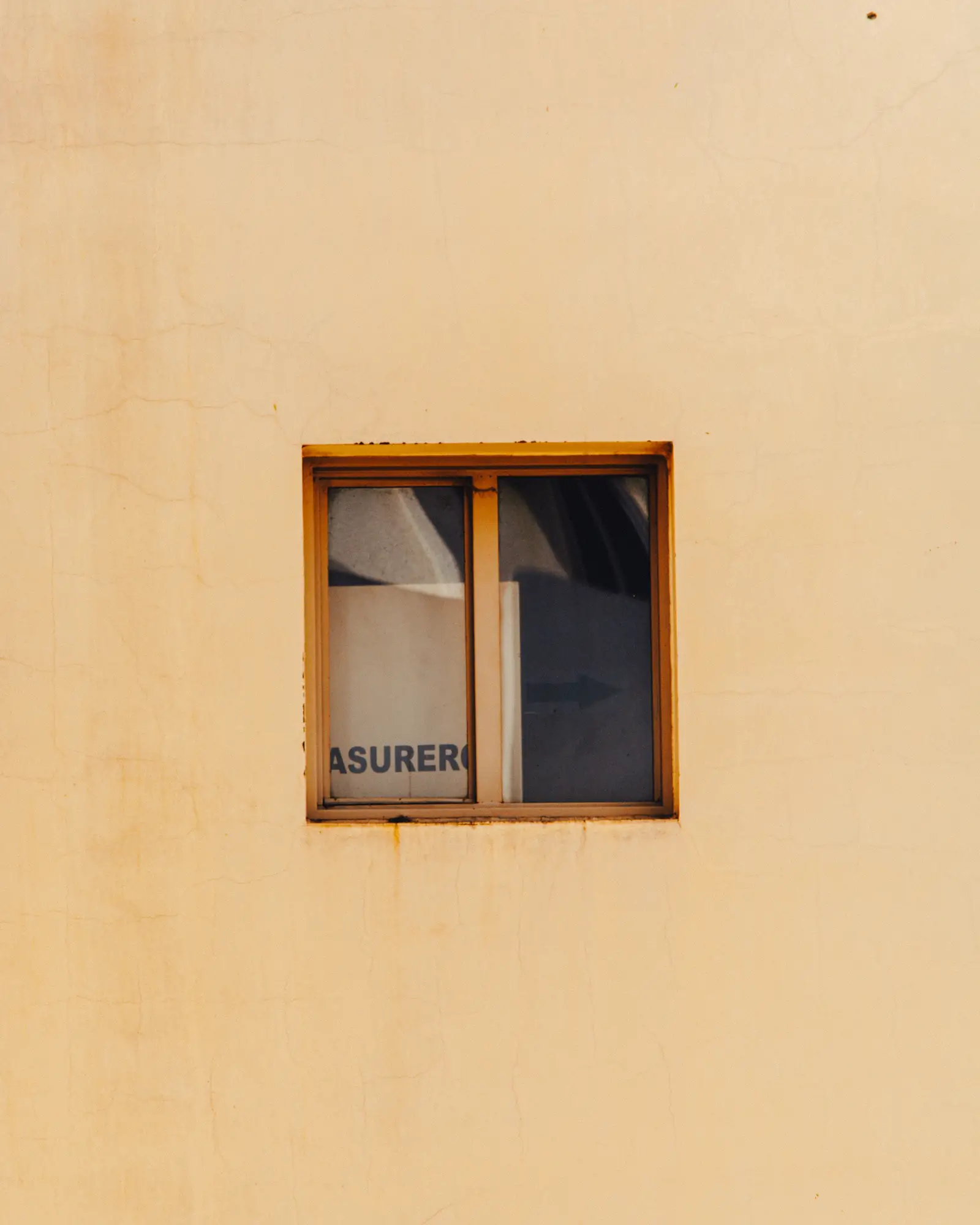
<img src="/assets/img/demo/the-windows-know.webp" srcset="/assets/img/demo/the-windows-know-480.webp 480w, /assets/img/demo/the-windows-know-720.webp 720w, /assets/img/demo/the-windows-know-960.webp 960w, /assets/img/demo/the-windows-know.webp 1600w" sizes="(min-width: 64em) 23rem, 100vw" alt="A small wooden window in a plain peach-colored wall" loading="lazy" decoding="async" />
</div><figcaption>Soft, low light flatters faces and walls alike. Notice where the shadows fall.</figcaption>
</figure>

<h2 id="work-with-the-suns-position">Work with the sun’s position</h2>

<p>Shooting into the light, with the sun behind your subject, creates a glowing edge and a soft haze. Shooting with the sun to the side brings out texture and shape. Shooting with the sun behind you gives even, warm color that is easy to expose. Try all three, and notice which one suits the scene.</p>

<ul>
  <li>Use the sun behind your subject for backlit hair and gentle glow.</li>
  <li>Place the sun to one side for long shadows that show texture.</li>
  <li>Look for reflections in puddles, glass and polished surfaces.</li>
  <li>Expose for the highlights, then lift the shadows slightly in editing.</li>
</ul>

<blockquote class="pullquote">
  <p>Golden light does not make a picture by itself, but it gives every scene a reason to be seen.</p>

  <p>— Capella, in a notebook by the sea</p>
</blockquote>

<h2 id="keep-it-simple">Keep it simple</h2>

<p>Use a single lens or a fixed focal length if you can. Move your feet rather than zooming, and let the light do most of the work. Watch the edges of the frame for stray objects, because low sun can reveal dust and clutter more clearly than you expect. Take a few test shots, check the histogram if your camera has one, and adjust before the light fades.</p>

<p>Finally, slow down. The golden hour is a reminder to look carefully and to pause, which is often the best part of making photographs.</p>]]></content><author><name>Capella</name></author><category term="Photography" /><category term="photography" /><category term="light" /><category term="outdoors" /><summary type="html"><![CDATA[The hour after sunrise and before sunset can transform ordinary scenes. Learn how to plan for soft, warm light and how to shoot with confidence.]]></summary><media:thumbnail xmlns:media="http://search.yahoo.com/mrss/" url="https://capella-jekyll.tortoizthemes.com/assets/img/demo/golden-hour.webp" /><media:content medium="image" url="https://capella-jekyll.tortoizthemes.com/assets/img/demo/golden-hour.webp" xmlns:media="http://search.yahoo.com/mrss/" /></entry></feed>